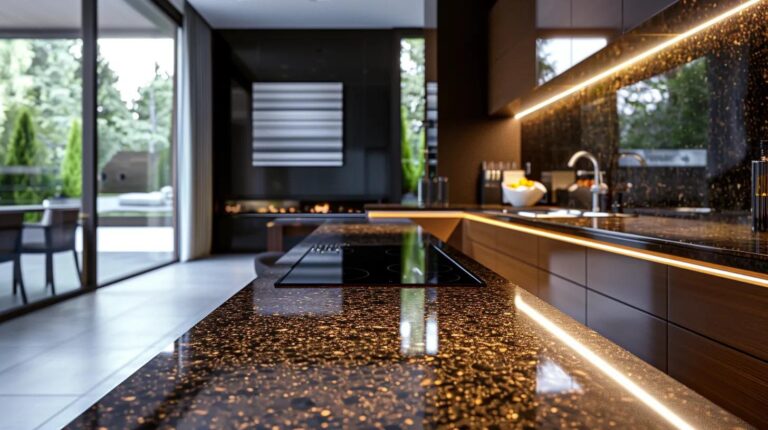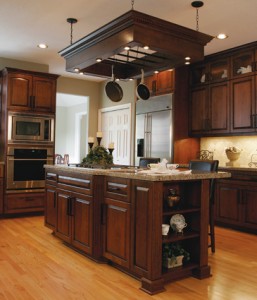
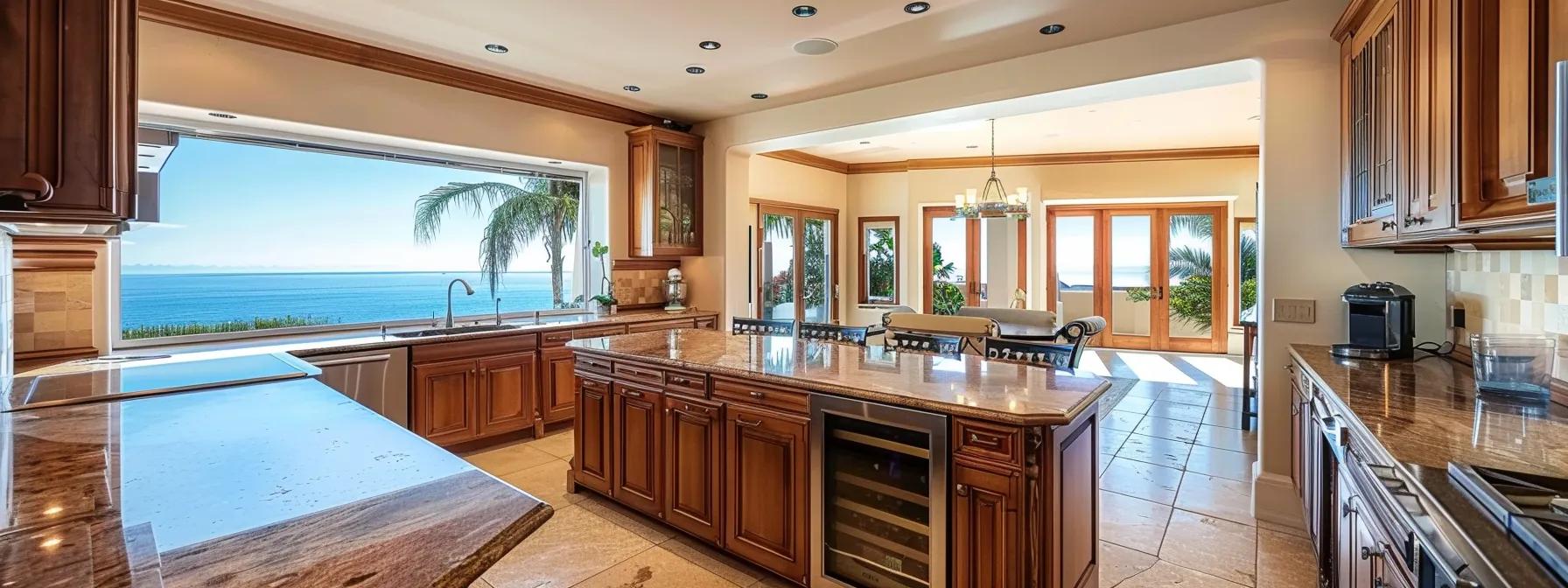
The kitchen, often regarded as the true heart of any home, transcends its traditional role as merely a functional space for meal preparation. In contemporary living, it has evolved into a dynamic central hub for family gatherings, entertaining guests, and personal expression. This evolution underscores its profound emotional and financial significance within a property. Data indicates that approximately 80% of potential homebuyers consider the kitchen among the top three most important areas in a house, with 58% of buyer decisions directly influenced by its style. This central role is further reinforced by observations that the kitchen is frequently one of the initial spaces prospective buyers evaluate during a showing, profoundly shaping their overall perception of the home. This dual importance positions the kitchen as a unique intersection of personal satisfaction and tangible property value.
An updated kitchen significantly contributes to a home’s “move-in ready” appeal, a critical factor for many buyers. When a kitchen is modern and well-maintained, it signals to potential purchasers that they will not need to undertake costly and disruptive renovations immediately after moving in. This perception of lower future costs can substantially reduce buyer hesitation, potentially leading to faster sales and even higher offers. The absence of immediate renovation needs transforms the buying experience from a potential “fixer-upper” scenario to one of immediate enjoyment, a highly desirable quality in today’s housing market.
Achieving both aesthetic appeal and optimal functionality in this pivotal space hinges on the concept of seamless integration. This involves creating a harmonious flow where all elements, particularly the foundational pairing of countertops and cabinets, work in unison. Such integration is not merely about matching colors or styles; it is about crafting a cohesive environment that enhances daily living and maximizes the home’s long-term value. Prefab Granite Depot & Design Center, a trusted source for kitchen and bathroom remodeling in San Diego, specializes in facilitating this vision. The company offers comprehensive services and an extensive selection of materials, including marble, prefabricated, quartzite, granite, and porcelain, along with complementary services such as flooring, cabinet organizers, range hoods, and backsplashes.
The Strategic Value of Kitchen Remodeling: Beyond Aesthetics
Investing in a kitchen remodel is a significant financial decision, and understanding the potential return on investment (ROI) is crucial for homeowners. While any kitchen upgrade can enhance daily living, not all renovations yield the same financial benefits upon resale. Strategic planning, therefore, becomes paramount to ensure that the investment translates into tangible value.
Understanding Return on Investment (ROI)
Analysis of remodeling projects consistently reveals a distinct pattern regarding ROI. Minor kitchen remodels, which typically involve cosmetic updates rather than structural changes, demonstrate a remarkably high return. Nationally, these projects can recoup an impressive 96.1% of their cost, with San Diego homeowners seeing an equally strong return of approximately 87.7%. In contrast, more extensive projects, such as midrange major kitchen remodels, see a national ROI of around 49.5%, and upscale major kitchen remodels yield an even lower return of 38.0% nationally, dropping to 32.7% in San Diego. This disparity suggests a “sweet spot” for maximizing financial return: buyers are willing to pay a premium for updated and functional kitchens, but the incremental value added by ultra-luxury finishes in a full gut renovation often does not translate dollar-for-dollar at resale. This indicates that homeowners can achieve substantial financial gain by focusing on targeted, high-impact upgrades rather than comprehensive, expensive overhauls.
For homeowners in San Diego, the decision to remodel often involves a balance between financial ROI and what can be termed “emotional ROI.” While the financial return on major remodels may be moderate, these projects create a beautiful, personalized cooking and gathering space that significantly enhances homeowner satisfaction and daily enjoyment. For those planning to reside in their homes for an extended period, the intangible benefits of an improved lifestyle and increased comfort can outweigh a purely financial calculation. This nuanced perspective allows for a broader conversation about client needs, recognizing that a kitchen’s value extends beyond its potential resale price.
The following table provides a comparative overview of kitchen remodel ROI, highlighting the differences between national averages and specific figures for the San Diego market.
Table 1: Kitchen Remodel ROI Comparison (National vs. San Diego)
| Project Type | National ROI (%) | San Diego ROI (%) |
| Minor Kitchen Remodel | 96.1% | 87.7% |
| Midrange Major Kitchen Remodel | 49.5% | N/A |
| Upscale Major Kitchen Remodel | 38.0% | 32.7% |
Key Factors Influencing ROI
Several specific elements consistently contribute to a higher return on kitchen remodeling investments. Understanding these factors allows homeowners to make informed decisions that align with their objectives, whether it is maximizing resale value or enhancing personal enjoyment.
The quality and durability of materials are paramount. High-quality, robust materials are not only crucial for long-term value but also significantly enhance buyer appeal. Buyers seek kitchens that will withstand daily use and maintain their aesthetic appeal over time, signaling a well-cared-for home.
The layout and functionality of the kitchen are foundational. A meticulously planned layout improves workflow, reduces clutter, and increases usable counter space, directly contributing to the kitchen’s perceived value. Features such as kitchen islands, which offer additional workspace, storage, and seating, are highly desirable in modern layouts. The importance of functionality extends beyond mere aesthetics; a beautiful but impractical kitchen will not command the same value as one that is both visually appealing and highly efficient. The traditional “work triangle” concept, connecting the sink, stove, and refrigerator, remains a core principle for optimizing kitchen flow and efficiency. Similarly, smart storage solutions, such as pull-out shelves and appliance garages, address a fundamental homeowner need for organization and clutter reduction, thereby increasing buyer interest.
Aesthetic appeal and timelessness also play a significant role. Choosing classic, neutral designs with broad appeal is generally more effective for resale than opting for overly trendy or inexpensive, low-quality options. Trends can fade quickly, potentially dating a kitchen and diminishing its value over time. Conversely, timeless designs ensure lasting appeal and broader market acceptance.
The growing emphasis on energy efficiency and sustainability is another critical factor influencing ROI. Buyers, particularly those under 40, increasingly prioritize eco-conscious homes. Incorporating energy-efficient appliances, sustainable materials, and water-saving fixtures can enhance a home’s marketability and appeal to a wider demographic.
Local market conditions are also vital. Aligning renovations with neighborhood standards and buyer expectations is key to ensuring that the investment is appropriate for the property’s value and location. Over-improving a kitchen beyond the neighborhood’s typical standards can lead to diminishing returns, a phenomenon sometimes referred to as the paradox of luxury. For example, investing in ultra-premium exotic stone countertops may only return 40-50% of the price difference compared to standard options, especially if the rest of the home or neighborhood does not support such high-end finishes. This highlights that perceived value is relative to the market, not solely based on the absolute cost of materials.
Finally, professional installation is crucial. While do-it-yourself (DIY) projects might seem cost-effective, poor installation can significantly detract from a kitchen’s value and even lead to costly repairs. Professional design and installation ensure quality finishes, proper functionality, and adherence to building codes, safeguarding the entire investment and maximizing its potential return. The cost of professional services is not merely an expense but a critical safeguard that ensures the desired aesthetic and functional outcomes are achieved, thereby preserving the potential for high ROI.
The Foundational Elements: Cabinets and Countertops
In kitchen design, cabinets and countertops serve as the primary visual and functional components, forming the very foundation of the space. Their careful selection and seamless integration are paramount to achieving both aesthetic harmony and practical efficiency.
A. Cabinets: The Backbone of Kitchen Design
Kitchen cabinets are far more than mere storage units; they establish the aesthetic tone for the entire kitchen and profoundly influence buyer perception and overall home value. High-quality, timeless cabinets that complement the home’s architectural style can significantly enhance emotional appeal, accelerate sales, and even boost offers. Investing in updated cabinetry is consistently recognized as one of the most astute decisions for maximizing return on investment.
Several styles and trends are prominent in 2025:
- Shaker Cabinets: These continue to be the leading choice, favored for their clean lines, minimalist aesthetic, and remarkable versatility that allows them to adapt to various design themes.
- White Cabinets: Maintaining their dominance, white cabinets offer a timeless, clean look that brightens spaces and pairs effortlessly with almost any interior style. Their ability to create a bright, airy atmosphere can boost a home’s resale value by as much as 15%, appealing to a broad spectrum of buyers. The enduring popularity of white and Shaker cabinets suggests they are not merely fleeting trends but rather safe, versatile investments that resonate with the widest range of buyers seeking a “clean, updated look”.
- Gray Cabinets: As a sophisticated alternative to white, gray cabinets have shown the most significant growth in popularity over recent years, providing a neutral yet modern feel.
- Two-Tone Designs: This trend involves using different colors or finishes for upper and lower cabinets, or for the kitchen island versus the perimeter cabinetry. This approach creates visual contrast and depth, allowing for personalized expression while maintaining broad appeal.
- Natural Wood Tones: A resurgence in natural wood finishes is evident, offering warmth, authenticity, and a timeless charm that balances classic and contemporary aesthetics.
- Handleless/Sleek Designs: These designs promote a minimalist, uncluttered appearance, contributing to a seamless visual flow and enhancing safety by eliminating protruding hardware.
- Upper Cabinets Extending to the Ceiling: This design choice maximizes vertical storage space and creates a cleaner, more cohesive look, making kitchens feel taller and more expansive.
The selection of cabinet materials directly impacts durability and resale value. Plywood and solid wood are highly favored for their exceptional strength-to-weight ratio, resistance to warping, and longevity. Medium-density fiberboard (MDF), especially moisture-resistant (MR) variants, is a good choice for painted cabinetry and offers a budget-friendly option without significant compromise on quality for certain applications. Particle board, while the most cost-effective, is generally reserved for budget or concealed applications due to its lower performance. Beyond the core materials, quality hardware, including soft-close hinges, pull-out drawers, and smart organizers, adds considerable perceived value and enhances daily functionality. These integrated storage solutions, such as appliance garages and blind corner pull-outs, significantly improve the kitchen’s efficiency and organization, which directly translates to higher buyer appeal and value. This focus on practical, hidden functionalities demonstrates a deeper understanding of buyer needs beyond surface-level aesthetics.
For homeowners considering cabinet updates, refacing offers a compelling alternative to full replacement. Cabinet refacing, which involves retaining the existing cabinet boxes while replacing doors, drawer fronts, and hardware, provides nearly the same visual impact at roughly half the cost of a complete overhaul. This approach yields an impressive ROI in the 80-90% range, making it a highly cost-effective strategy for refreshing a kitchen’s appearance without extensive labor or expense.
B. Countertops: The Visual Statement
Countertops are a dominant visual element in the kitchen, making them a high-impact upgrade with excellent returns on investment. In higher-end markets, buyers often expect stone countertops, and their presence can make a home more competitive.
The market offers a diverse range of countertop materials, each with unique characteristics and value propositions:
- Granite: This natural stone is celebrated for its inherent beauty, exceptional durability, and resistance to heat, scratches, and stains when properly sealed. Available in a vast spectrum of colors and patterns, from subtle speckles to dramatic veining, granite offers versatile design possibilities. Granite consistently ranks among the most desirable kitchen upgrades, signaling quality and craftsmanship to homebuyers and positively impacting resale value over the long term.
- Prefabricated Granite: A particularly advantageous option, prefabricated granite offers significant cost savings, often up to 45% less than custom slab granite. This efficiency stems from bulk manufacturing and pre-finishing, which reduces labor and fabrication costs without compromising the natural stone’s quality or beauty. Prefabricated granite provides a cost-effective way for homeowners to achieve the luxurious appeal of natural stone, thereby optimizing overall ROI.
- Quartzite: As a natural stone, quartzite is renowned for its extreme durability, often surpassing granite in hardness and resistance to scratches, chips, and heat. It can mimic the luxurious appearance of marble, offering a sophisticated look without the extensive maintenance typically associated with marble. While quartzite does require periodic sealing to maintain stain resistance, its overall performance makes it a premium material in high demand. Adding quartzite countertops can significantly increase a home’s value, reflecting its high resale appeal and elegance. However, it tends to be more expensive than granite.
- Marble: Marble offers unparalleled natural beauty, characterized by unique veining patterns that create a timeless and luxurious aesthetic. Its naturally cool surface is ideal for baking, and it possesses good heat resistance. Despite its elegance, marble is highly porous and susceptible to stains, scratches, and etching if not meticulously sealed and maintained. Regular resealing, typically every six months, is essential. While marble can add property value and a luxurious feel, its high cost and demanding maintenance can lead to diminishing returns for some buyers, especially if it does not align with the home’s overall price point or the buyer’s preference for low-maintenance surfaces. Design experts often advise against overly expensive materials like marble if the primary goal is maximizing resale value.
- Prefabricated Marble: Similar to granite, prefabricated marble slabs are available in standard sizes, offering cost savings while retaining the material’s inherent beauty.
- Porcelain: This engineered material provides a very low-maintenance solution for countertops. It is non-porous, making it highly resistant to stains and water absorption, and is exceptionally heat-resistant, scratch-resistant, and UV stable, preventing discoloration from sunlight. Porcelain can convincingly mimic the appearance of natural stone, wood grain, concrete, or steel, offering immense design versatility. While generally lighter than natural stone, its hardness and rigidity can make installation more challenging. Porcelain countertops are considered a solid investment that boosts home value by signaling modernity and low upkeep, with an estimated ROI of 50-75%. Although its popularity is growing rapidly, it is not yet universally considered a luxury finish on par with granite or quartz by all market segments.
- Prefabricated Porcelain: This option combines the durability, ease of cleaning, and stain resistance of porcelain with the benefits of pre-cut, ready-to-install slabs, facilitating seamless design integration.
The strategic selection of countertop material involves a nuanced balance between the desired aesthetic, long-term durability, required maintenance, and local market expectations. Neutral tones and inherently durable materials generally offer the most favorable resale value. While all these materials offer high-end appeal, their financial return varies based on practical considerations and market perception, not solely on initial cost or perceived luxury. This necessitates a careful evaluation to make informed choices that align with specific homeowner goals.
Table 2: Countertop Material Comparison: Aesthetics, Durability, Maintenance & ROI
| Material | Key Characteristics | Aesthetic Qualities | Resale Value / ROI | Cost (per sq. ft. installed) |
| Granite | Exceptional durability, heat/scratch/stain-resistant (when sealed), long lifespan. | Natural beauty, wide spectrum of colors (speckled, dotted, veined), unique patterns. | High; consistently desirable, signals quality, boosts value. | $40 – $150 |
| Prefabricated Granite | Same quality as slab granite, pre-cut/pre-finished, easier/faster installation. | Natural beauty, popular colors/patterns, less customization. | High; cost-effective luxury, boosts value. | Up to 45% less than slab. |
| Quartzite | Extremely durable (harder than granite), resistant to scratches, chips, heat. Requires sealing. | Mimics marble’s luxurious look, unique natural veining, wide color range (white, gray, earthy). | High; premium material, adds elegance/sophistication. | $60 – $200+ |
| Marble | Unparalleled natural beauty, naturally cool, heat-resistant. Highly porous, prone to stains/etching, requires frequent sealing. | Unique veining, timeless luxury, classic elegance. | Medium; adds luxury, but maintenance concerns can lower ROI for some buyers. | $40 – $180 |
| Porcelain | Engineered, very low maintenance, non-porous (stain/water-resistant), highly heat/scratch/UV-resistant. Can be brittle. | Mimics natural stone, wood, concrete; wide range of colors/patterns, hyper-realistic visuals. | Solid investment; boosts worth, signals modernity/low upkeep. ROI 50-75%. | $50 – $120 |
Achieving Seamless Integration: A Holistic Design Approach
The true artistry in kitchen design lies not just in selecting individual high-quality components but in their harmonious integration. This holistic approach ensures that cabinets and countertops, along with other complementary elements, coalesce into a cohesive and visually stunning space that enhances both functionality and overall home value.
The right combination elevates your kitchen’s appeal and functionality:
Cabinet & Countertop Pairings That Work
| Cabinet Style | Best Countertop Matches | Why It Works |
|---|---|---|
| White Shaker | Taj Mahal Quartzite, Carrara Marble | Bright, timeless contrast |
| Dark Walnut | Absolute Black Granite, Nero Marquina | Rich, dramatic depth |
| Gray Flat-Panel | White Porcelain, Calacatta Quartz | Modern, sleek uniformity |
| Natural Oak | Honed Granite, Soapstone | Warm, organic texture |
Pro Tip: Visit our San Diego showroom to see 50+ material combinations in person.
A. The Art of Pairing Cabinets and Countertops
Effective pairing of cabinets and countertops is fundamental to a kitchen’s aesthetic success. Professional designers often utilize guiding principles, such as the 60-30-10 rule, where cabinets typically represent 60% of the dominant color, countertops and backsplash 30% as a secondary color, and hardware and accessories 10% as accent colors. Beyond simple color matching, understanding the subtle undertones of materials—whether warm (e.g., yellow, amber) or cool (e.g., blue, silver)—is crucial for creating truly harmonious combinations. For instance, cream cabinets with golden granite evoke warmth, while pure white cabinets with cool gray granite project a crisp, modern feel. This nuanced approach to color ensures a refined aesthetic outcome where the kitchen feels thoughtfully designed, rather than merely assembled.
Contrast and visual weight are also vital considerations. High-contrast pairings, such as dark cabinets with light countertops, create dramatic focal points and visual interest. Conversely, low-contrast combinations, where materials have similar tones, foster a serene and sophisticated atmosphere. It is also important to balance patterns: busy cabinet details should be paired with simpler countertop patterns, and vice versa, to prevent the space from feeling overwhelmed.
The harmony between material and finish adds significant texture and depth. Combining smooth, glossy cabinets with honed, matte countertops, or pairing wood grain cabinets with polished stone surfaces, introduces tactile interest that elevates the design. This interplay of textures creates a more dynamic and engaging environment.
Specific style pairings further illustrate this art:
- Modern Kitchens: Often feature flat-panel white or gray cabinets paired with pure white or concrete-look quartz, emphasizing clean lines and minimalist aesthetics. Handleless designs are particularly effective in achieving this sleek, uncluttered appearance, contributing to a seamless visual flow and enhancing safety.
- Traditional Kitchens: May see cream glazed cabinets complemented by Giallo Ornamental granite, or cherry cabinets with Uba Tuba granite, creating a rich, classic elegance.
- Transitional Kitchens: Characterized by a blend of traditional warmth and modern simplicity, often utilize versatile Shaker-style cabinets with neutral palettes that can accommodate a range of countertop materials.
A key design element that serves as a focal point is the kitchen island. Beyond its functional benefits of added prep space, seating, and storage, the island presents a prime opportunity for a design statement. Utilizing a contrasting cabinet color for the island, such as a bold navy against white perimeter cabinets, can effectively define the space and create a visual anchor. Similarly, selecting a countertop with bold, high-contrast veining for a waterfall island can transform it into a striking centerpiece, particularly in upscale kitchens. This strategic use of the island elevates it from a mere utility piece to a central design element that dictates the overall aesthetic flow of the kitchen.
B. Complementary Elements for a Cohesive Look
Beyond the foundational pairing of cabinets and countertops, several other elements contribute significantly to a unified and high-value kitchen design.
The backsplash serves a dual purpose: it protects walls from splashes, grease, and water damage, while simultaneously acting as a crucial design element that injects texture, color, and personality into the kitchen. It is often considered the “icing on the cake” that ties the entire kitchen aesthetic together. For seamless integration, the backsplash should complement the countertop, though it does not necessarily need to match perfectly. Options range from extending the countertop material upwards as a full-height slab for a cohesive look, to introducing a contrasting tile for visual interest. Matching quartz panels can create a smooth, continuous appearance, enhancing the perception of a larger, more unified space. Current trends include full-height slabs, textured zellige tiles, colorful mosaics, and classic natural stone or subway tiles. This strategic choice acts as a visual bridge between the countertops and cabinets, solidifying the kitchen’s aesthetic identity.
Flooring plays a fundamental role in defining the kitchen’s ambiance, functionality, and overall design, serving as the literal foundation for the decor style. Given the kitchen’s high traffic and exposure to spills, durability and moisture resistance are paramount. When integrating with cabinets and countertops, flooring choices should either complement or subtly contrast to enhance the overall design scheme. Neutral tones such as tan, beige, gray, and greige are popular for their versatility. Material contrast, such as pairing wood cabinetry with stone-style vinyl flooring, can create appealing visual dynamics. Lighter flooring shades can also contribute to a more spacious and brighter feel in the kitchen. Hardwood and Luxury Vinyl Plank (LVP) are top choices for their durability and strong ROI, typically yielding 70-80%.
Lighting is transformative, bringing a kitchen to life by enhancing safety, functionality, and ambiance. A layered approach to lighting is most effective, incorporating:
- Ambient lighting: Provides a soft, general glow for overall illumination.
- Task lighting: Offers direct, bright illumination over work areas like countertops and sinks, often achieved with under-cabinet lights or pendant fixtures. This directly illuminates the countertops, making food preparation safer and more pleasant.
- Accent lighting: Highlights specific design elements or architectural features, adding visual interest and depth. Statement lighting fixtures, such as oversized pendant lights or geometric chandeliers, can serve as prominent design features that complement the overall kitchen aesthetic.
Range hoods are essential for maintaining a healthy and clean kitchen environment. They efficiently remove heat, smoke, grease, odors, and potentially toxic pollutants generated during cooking, thereby protecting kitchen surfaces and ensuring good indoor air quality. Beyond their functional necessity, range hoods have evolved into significant aesthetic elements. They can be designed as sculptural statement pieces, clad in materials like marble or stucco to match countertops and backsplashes, or seamlessly concealed within cabinetry for a minimalist look. The presence of an updated range hood is increasingly expected by buyers, and its absence or outdated condition can negatively impact resale value.
Finally, cabinet organizers are crucial for enhancing kitchen functionality. Features such as appliance garages, blind corner pull-outs, utensil pull-outs, and roll-out shelves improve convenience, reduce clutter, and free up valuable counter space. These internal organizational solutions, though not always immediately visible, significantly contribute to the perceived value of a kitchen by making it more efficient and user-friendly, appealing strongly to buyers seeking move-in ready homes with optimized storage.
The seamless integration of all these kitchen elements—cabinets, countertops, flooring, lighting, and even range hoods—creates a cohesive, high-end impression that elevates the home’s overall value and buyer appeal beyond the sum of its individual parts. When every component is thoughtfully chosen to interact harmoniously, the kitchen transcends mere functionality to become a truly inviting and desirable space.
Planning Your San Diego Dream Kitchen: Practical Considerations
Embarking on a kitchen remodeling project in San Diego requires careful planning that considers both universal design principles and unique local preferences. Understanding these practical aspects is key to a successful and rewarding renovation.
San Diego Specific Trends and Preferences
San Diego, known for its emphasis on sustainability and outdoor living, exhibits distinct kitchen design trends. There is a growing demand for energy-efficient appliances, materials that are recycled or have low VOCs (Volatile Organic Compounds), and water-saving fixtures. This aligns with a broader eco-conscious mindset among homeowners in the region.
The abundant natural light in San Diego homes is a valued asset. Kitchen designs frequently prioritize maximizing this natural illumination through the incorporation of larger windows or skylights, making spaces feel more open and inviting. Furthermore, the region’s climate fosters a desire for seamless transitions between indoor and outdoor living areas. Bi-fold or sliding doors that connect the kitchen to patios or outdoor entertaining spaces are highly sought after, reflecting a lifestyle that blurs the lines between interior and exterior environments.
In terms of aesthetics, modern designs are particularly popular in San Diego. This includes sleek, handleless cabinetry, two-tone designs that add visual depth, integrated smart technology for enhanced convenience, and statement lighting fixtures that serve as artistic focal points. The local climate and lifestyle directly influence material choices; for instance, UV-stable porcelain countertops are advantageous for kitchens with ample sunlight or outdoor integration, and durable natural stones are preferred for their longevity in the coastal environment. This demonstrates a clear connection between geographic location, climate, and optimal material selection for San Diego homeowners.
Budgeting for Success
A realistic and well-structured budget is essential for any kitchen remodel. Industry estimates suggest a typical budget breakdown for a kitchen renovation:
- Cabinets: 30-35% of the total budget
- Labor: 20-25%
- Appliances: 15-20%
- Countertops: 10-15%
- Fixtures & Lighting: 5-10%
- Flooring: 5-10%
- Backsplash, paint, and finishing touches: 5%
It is always prudent to allocate an additional 10-20% as a cushion for unexpected expenses that may arise during the renovation process, such as unforeseen structural issues or outdated wiring. When considering where to invest, prioritizing quality cabinets, durable countertops (such as quartz or quartzite), and a layered lighting plan typically yields the most significant returns and long-term satisfaction. Areas where savings can be strategically found include backsplash tiles or selecting mid-range appliances that offer solid warranties without the premium price tag of professional-grade models.
The Importance of Professional Expertise
The complexity of a kitchen remodel underscores the importance of professional expertise. Hiring the right contractor is a critical decision that can determine the success or failure of a renovation project. Homeowners should seek professionals with local experience in San Diego kitchen remodeling, a robust portfolio of completed projects, verified reviews and testimonials, and proper licensing and insurance. Transparent communication and detailed contracts are also hallmarks of a reliable contractor.
Professional designers and contractors offer invaluable guidance on optimizing kitchen layouts. They can ensure that the “work triangle” (the relationship between the stove, sink, and refrigerator) is efficient and that traffic flow is unimpeded, especially in open-concept spaces. Their expertise helps homeowners avoid costly mistakes and ensures the kitchen functions as beautifully as it looks.
Furthermore, design professionals can guide homeowners toward timeless design choices that will not quickly become dated, thereby preserving the long-term value of the investment. This is particularly important given the significant financial outlay involved. Finally, navigating local permits and building codes is a complex process that professionals are equipped to handle, ensuring compliance and avoiding potential legal or structural issues. The financial outlay for professional design and installation is not merely an expense; it is a critical investment that prevents costly errors, ensures optimal functionality, and ultimately protects and enhances the overall return on investment.
Conclusion: Your Dream Kitchen Awaits in San Diego
Designing a dream kitchen involves a strategic blend of aesthetic vision, practical functionality, and astute financial planning. The kitchen’s unique position as both an emotional heart and a significant financial asset within the home demands a thoughtful approach to renovation. Key principles for success include understanding the nuances of return on investment, particularly the higher returns often seen from minor or mid-range remodels compared to extensive upscale projects. Prioritizing high-quality, durable materials for foundational elements like countertops and cabinets is essential, as is optimizing the kitchen’s layout and incorporating smart storage solutions that enhance daily life.
The concept of seamless integration, where every element from cabinets and countertops to flooring, lighting, and range hoods works in harmony, creates a cohesive and inviting space that significantly increases perceived value. This is achieved through careful consideration of color theory, material undertones, contrast, and texture, ensuring a sophisticated and timeless design. For homeowners in San Diego, local trends emphasizing sustainability, natural light, and indoor-outdoor living further shape optimal design choices, often favoring materials that are durable and climate-appropriate.
Realizing this vision requires the expertise of seasoned professionals. Prefab Granite Depot & Design Center stands as San Diego’s premier partner in this journey, offering not only a vast selection of high-quality materials—including marble, prefabricated, quartzite, granite, and porcelain—but also comprehensive services that encompass kitchen and bathroom remodeling, flooring, cabinet organizers, range hoods, and backsplashes. The company’s commitment to expert guidance ensures that every project is meticulously planned and executed, transforming kitchens into spaces that are both exquisitely beautiful and exceptionally functional.
To embark on a kitchen transformation journey, homeowners are encouraged to visit the Prefab Granite Depot & Design Center showroom, explore the extensive material selection on the website at https://prefabgranitedepot.com/, or schedule a personalized consultation.