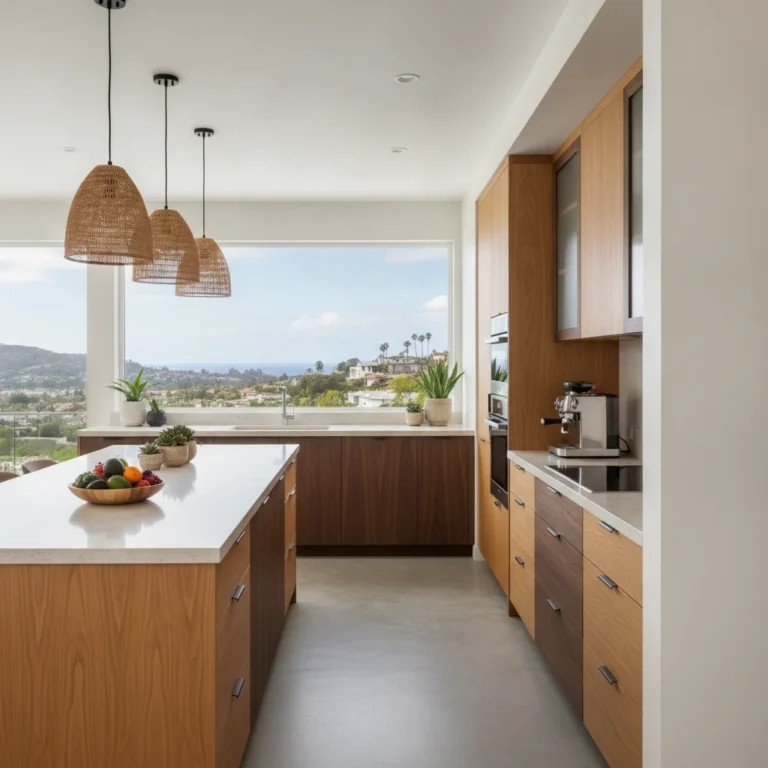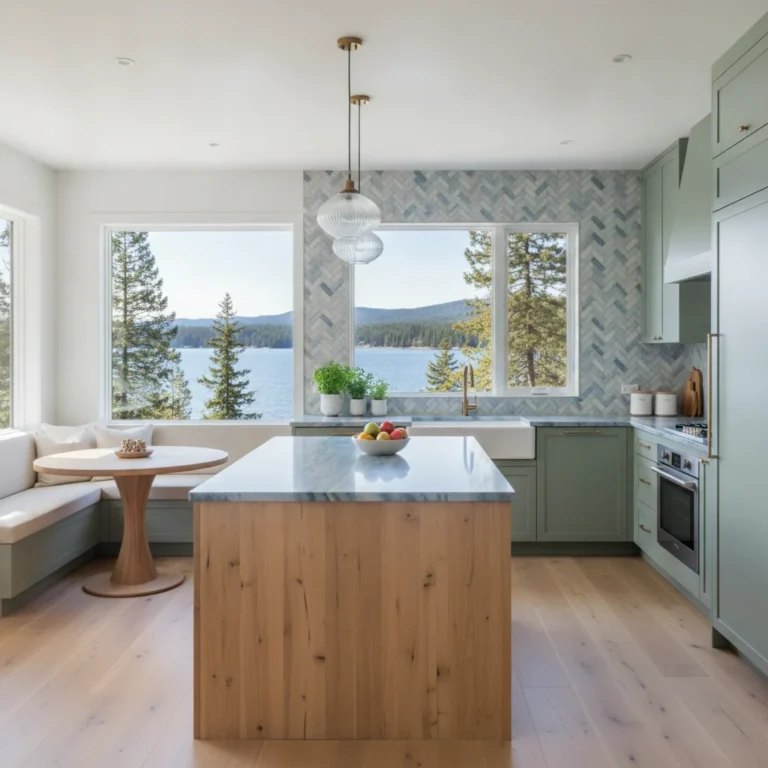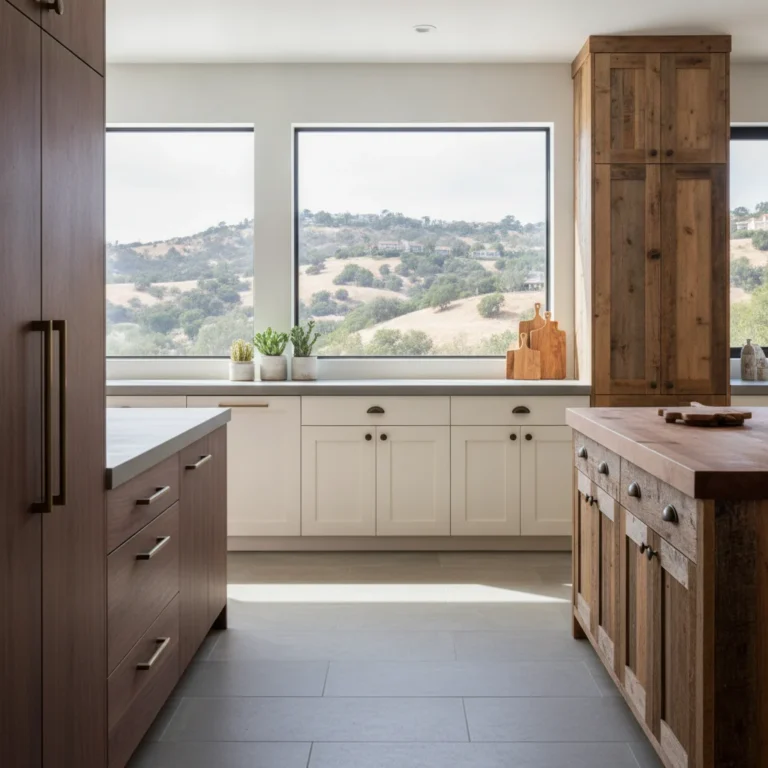
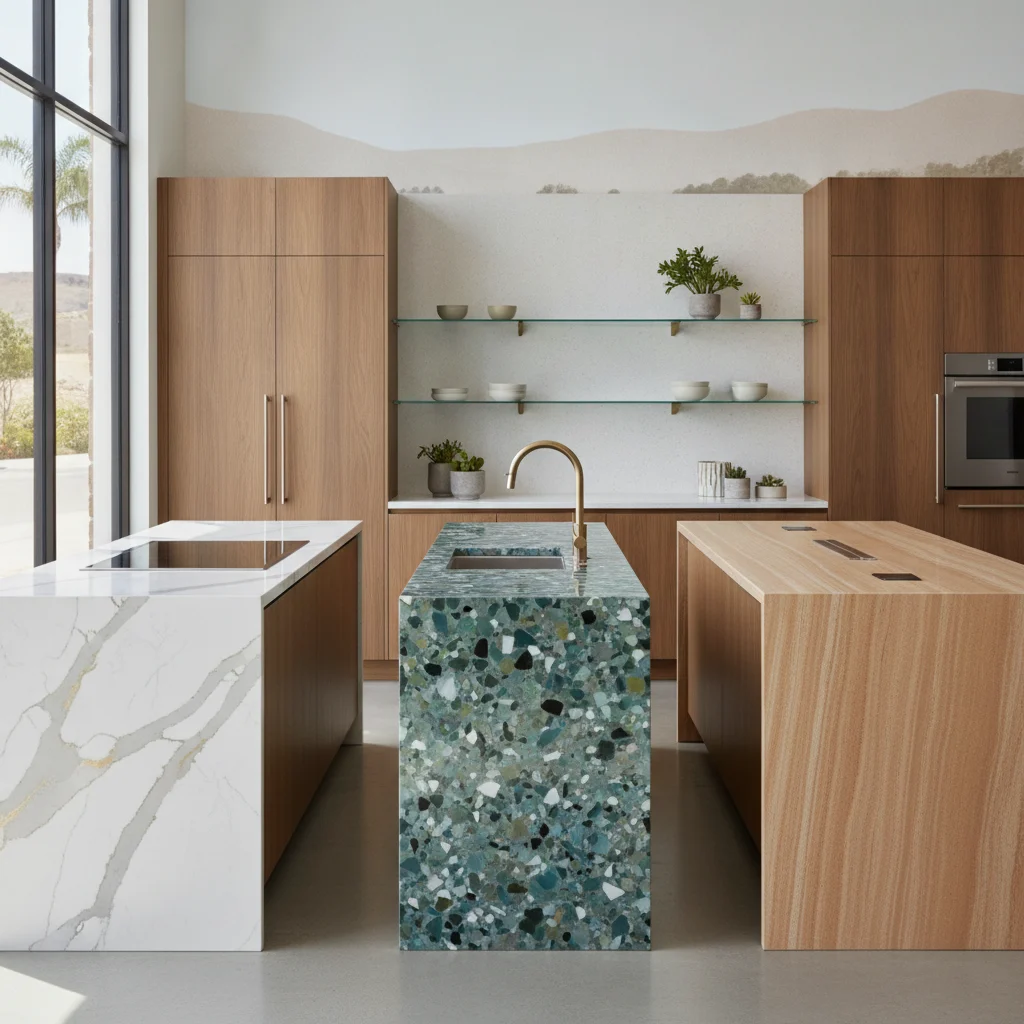
Santee homeowners face distinct remodeling considerations due to the inland East County climate, where summer heat shifts and expansive valley floorplans require specialized material selection and expert fabrication. Upgrading your kitchen or bathroom requires stone surfaces that endure daily culinary demands while resisting intense sunlight and ambient temperature swings. Modern countertop installations merge high-density engineered slabs, natural quartzite, and precision digital fabrication to deliver unmatched longevity and aesthetic value.
Navigating Santee Microclimates and Inland Countertop Demands
Santee features wide diurnal temperature fluctuations that stress standard building materials far more than coastal marine zones. Kitchen surfaces situated near large patio sliders, skylights, or outdoor cooking zones experience intense ultraviolet exposure and thermal expansion cycles. Installing sub-par synthetic resins or poorly sealed porous stones leads to premature discoloration, surface micro-fracturing, and seam failure within just a few seasons. Successful installations require custom substrate preparation, flexible structural epoxy bonding agents, and dense stone matrices that maintain their integrity under persistent inland heat.
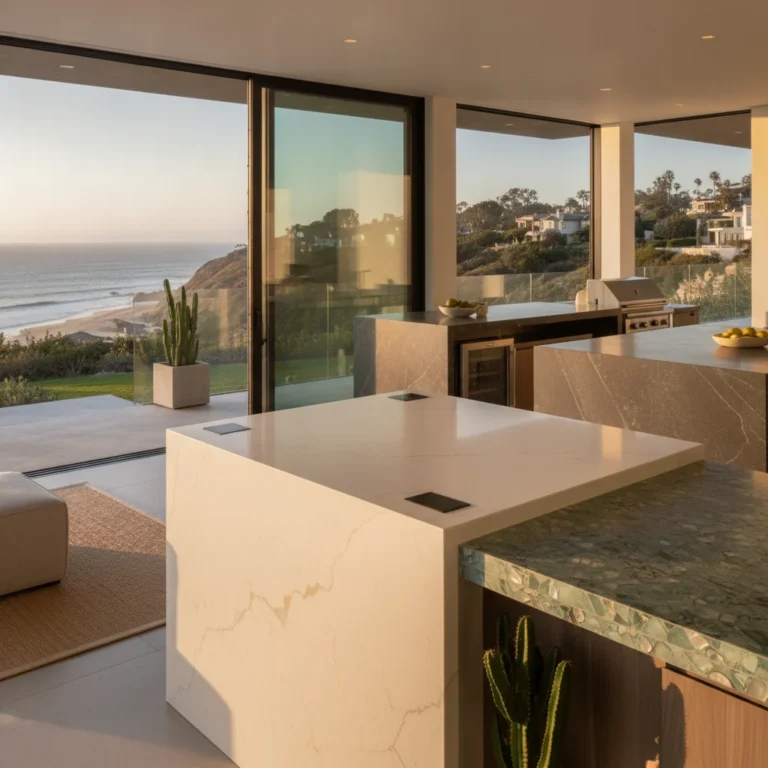
East County residential architecture often emphasizes open-concept great rooms, expansive central entertaining islands, and seamless transitions into backyard living spaces. These expansive configurations demand rigid structural support systems, seamless perimeter integration, and tailored fabrication techniques that match both the architectural style and practical climate requirements of the area. Professional stone fabricators evaluate specific household lighting patterns, cabinetry spans, and daily usage habits before recommending a slab composition.
- High-density mineral structures resist thermal shock from rapid inland temperature changes.
- UV-stable bonding epoxies prevent seam yellowing and separation in sunlit living spaces.
- Advanced sub-countertop cantilever brackets support oversized entertaining islands without bulky corbels.
- Zero-porosity surface treatments eliminate staining from hard regional tap water minerals.
Top Countertops Services Trends in Santee for 2026
The demand for top countertops services trends in Santee for 2026 focuses heavily on natural quartzite slabs, large-format sintered stone, and ultra-durable matte engineered quartz. Homeowners increasingly avoid high-gloss polished surfaces in favor of leathered, honed, and suede textures that diffuse harsh inland daylight and conceal daily fingerprints. Dramatic, continuous veining patterns that flow from horizontal counter planes down vertical cabinet gables represent the premier aesthetic choice across modern residential renovations.
High-Performance Quartzite and Engineered Porcelain
Natural quartzites like Taj Mahal, Mont Blanc, and Calacatta Super White dominate luxury renovations because they combine the visual elegance of classic marble with a Mohs mineral hardness exceeding structural granite. Sintered porcelain slabs also gain massive market share across East County because manufacturers bake these surfaces at temperatures exceeding 2,200 degrees Fahrenheit. This extreme manufacturing process creates an impervious surface that resists hot pans, metal utensils, direct solar UV rays, and abrasive cleansers without requiring periodic chemical sealers.
Integrated Sinks and Monolithic Architectural Elements
Designers now specify integrated stone sinks fabricated directly from the same slab material as the primary counter surface. This seamless fabrication method eliminates silicone perimeter joints, grime-collecting rim lips, and mismatched plumbing transitions. Fabricators cut, bevel, and hydro-seal internal sink bases with subtle drainage slopes to create an ultra-clean, continuous architectural centerpiece that coordinates effortlessly with modern kitchen remodeling trends in San Diego county.
Performance Benchmarks for Leading Slab Materials
Choosing the ideal countertop material requires a balanced analysis of flexural strength, thermal tolerance, liquid porosity, and long-term maintenance requirements. The 2026 National Kitchen and Bath Association Design Trends report emphasizes that 78 percent of industry professionals now prioritize lifecycle durability and stain resistance over purely decorative characteristics when specifying solid surfaces for active family homes.
| Material Type | Mohs Hardness | Porosity Rating | UV & Heat Resistance | Ideal Application |
|---|---|---|---|---|
| Natural Quartzite | 7 to 8 | Under 0.5% (Sealed) | High Thermal & UV Stability | Main Kitchens & Sunlit Islands |
| Engineered Quartz | 6 to 7 | Non-Porous (0.01%) | Moderate Heat / Indoor Only | Interior Kitchens & Vanities |
| Sintered Porcelain | 8 to 9 | Non-Porous (0.00%) | Extreme Heat & UV Proof | Indoor/Outdoor Living Spaces |
| Premium Granite | 6 to 7 | 0.1% to 0.8% (Sealed) | High Thermal Tolerance | Heavy-Duty Cooking Stations |
| Solid Surface | 2 to 3 | Non-Porous (0.10%) | Low Heat / Prone to Scratching | Utility Rooms & Commercial Baths |
As detailed in the technical data above, sintered porcelain and dense quartzite provide the highest mechanical resistance against abrasive scratching, high temperature contact, and environmental weathering. Homeowners modernizing their spaces often pair these resilient surfaces with contemporary storage designs, taking cues from popular kitchen cabinets trends in Carlsbad to achieve a cohesive, elevated aesthetic throughout their culinary workspaces.
Edge Profiles and Waterfall Transitions in Modern Layouts
Edge profile engineering dramatically influences both the visual weight and physical durability of finished countertops. For 2026 installations, homeowners in Santee overwhelmingly reject standard rounded bullnose edges in favor of crisp 45-degree mitered apron edges, clean eased corners, and micro-chamfer bevels. A mitered edge allows fabricators to join vertical drop panels to horizontal tops, creating the visual illusion of a massive three-inch or four-inch solid stone slab without overloading the underlying cabinetry framework.
Waterfall end panels require computerized vein-matching software during the initial fabrication phase to ensure that natural stone ribbons flow smoothly over the 90-degree outer corner down to the finished flooring. Expert fabricators install rigid aluminum sub-structure leveling frames beneath mitered waterfall drops to prevent structural settling, which can crack fragile miters over time. These clean vertical terminations protect base cabinet ends from accidental impacts, foot scuffs, and spills while delivering an upscale architectural silhouette.
Outdoor Kitchen Slab Engineering for East County Sun Exposure
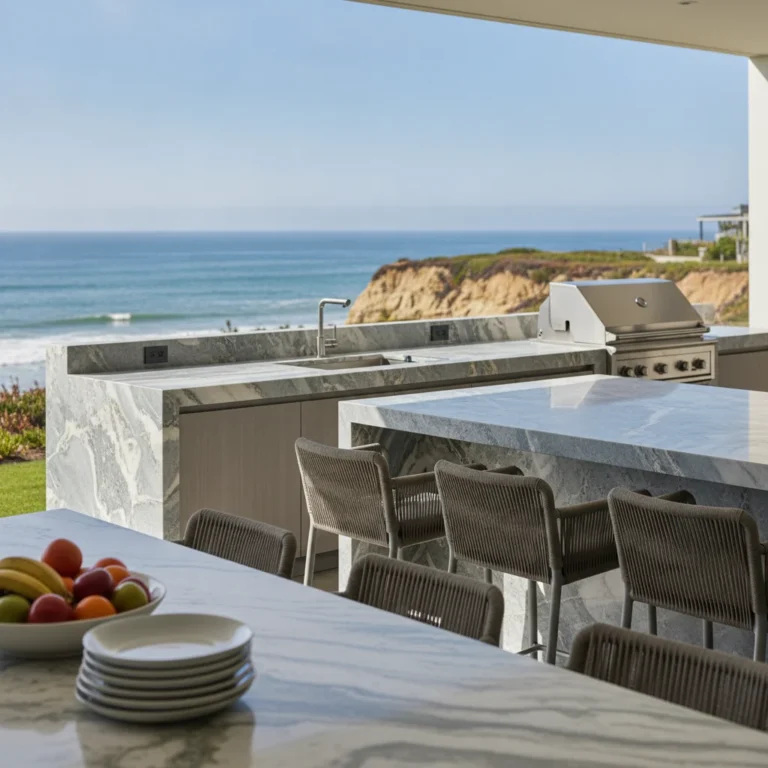
Santee backyards serve as primary entertainment hubs for much of the year, making outdoor kitchen countertops a major renovation category. Outdoor countertops require fabrication strategies that accommodate direct solar radiation, ambient heat exceeding 100 degrees Fahrenheit, and rapid evening cooldowns without structural warping or chemical surface degradation. Using standard indoor engineered quartz outdoors represents a common mistake, as sunlight breaks down the polymer resins within quartz, causing rapid chalking, yellowing, and surface embrittlement.
- Select 20mm or 30mm UV-resistant natural granites or sintered porcelain slabs for all exterior cabinetry.
- Incorporate stainless steel mechanical under-mount sink clips to withstand outdoor moisture and temperature swings.
- Apply breathable, penetrating fluoropolymer sealers to natural stone to repel grease without trapping internal moisture.
- Install thermal expansion gap spacing along exterior masonry walls to prevent edge crushing during summer heat.
- Specify honed finishes over mirror polishes to eliminate blinding solar glare during afternoon gatherings.
Proper slab overhang engineering allows comfortable bar seating along outdoor islands while safeguarding outdoor refrigeration units and storage drawers from direct afternoon sun and winter rain showers.
Digital Templating and High-Precision Fabrication Standards
Modern stone countertop execution relies on advanced digital laser templating rather than manual wood stick or cardboard patterns. Digital laser heads capture exact dimensional measurements across three axes, calculating out-of-square drywall conditions, subtle cabinet dips, and unlevel wall corners to within a fraction of a millimeter. This spatial dataset imports directly into computer-aided manufacturing software, allowing fabricators to map slab cuts around natural mineral fissures, crystalline clusters, and prominent color ribbons before making a single incision.
CNC waterjet cutting systems then slice the stone under 60,000 pounds per square inch of hydraulic pressure mixed with abrasive garnet sand. This computerized fabrication eliminates micro-fractures along cut lines, ensures perfectly straight joint seams, and mills flawless cutouts for sinks, cooktops, and pop-up electrical receptacles. When installation crews arrive at your residence, prefabricated slabs fit the perimeter contours precisely, minimizing messy on-site cutting, dust generation, and project completion delays.
Upgrade Your Surfaces with Prefab Granite Depot
Transform your interior and exterior spaces with precision-crafted stone surfaces tailored specifically for your home. Prefab Granite Depot provides an extensive inventory of premium granite, quartzite, and engineered porcelain slabs along with state-of-the-art digital fabrication and professional installation services. Contact our expert team today at 858-330-6782 to schedule your design consultation and receive an accurate, comprehensive project estimate.
Frequently Asked Questions
What countertop material holds up best to Santee summer heat?
Natural quartzite, granite, and sintered porcelain perform best under high inland temperatures and intense direct sunlight. These dense materials feature zero synthetic resin binders, meaning they will not discolor, warp, or crack when exposed to extreme thermal shifts or hot cookware. Sintered porcelain offers the ultimate resistance against UV rays and high heat in both indoor and outdoor kitchens.
Why should I choose mitered edge fabrication over standard laminated edges?
Mitered edge fabrication joins two 45-degree angle stone cuts together to create the seamless appearance of an ultra-thick, solid slab. This advanced technique hides the lamination seam line completely along the outer edge corner while maintaining continuous veining patterns over the edge profile. It provides a clean, modern aesthetic without adding excessive dead weight to your base cabinets.
How often do I need to seal natural stone countertops?
Dense natural quartzites and premium granites typically require resealing every twelve to twenty-four months using a high-grade penetrating fluoropolymer sealer. You can easily test your stone by dripping a few drops of water onto the surface; if the water darkens the stone or absorbs within ten minutes, apply a fresh coat of sealer. Engineered quartz and sintered porcelain never require chemical sealing.
Can I install engineered quartz in an outdoor patio kitchen?
You should never install standard indoor engineered quartz in an exterior environment exposed to direct sunlight. The polyester resins used to bind crushed quartz together degrade and yellow rapidly under ultraviolet radiation, voiding manufacturer warranties. For outdoor kitchen spaces, choose sintered porcelain or natural granite to ensure permanent colorfastness and weather resistance.
How do fabricators hide seams in large countertop layouts?
Fabricators hide seams by using digital layout software to align matching vein patterns across adjacent slab sections before cutting. During installation, technicians use color-matched, two-part epoxy resins mixed with stone dust pigments and clamp the joint under vacuum pressure to draw the seam hairline-tight. Strategically placing seams at sink cutouts or natural structural breaks further minimizes their visual footprint.
How does digital laser templating improve the installation process?
Digital laser templating maps your room geometry with extreme precision, accounting for uneven drywall, unlevel cabinets, and non-standard wall angles. This detailed three-dimensional file feeds directly into automated CNC cutting machines, ensuring that finished slabs fit perfectly against your walls upon arrival. This technology eliminates guesswork, reduces on-site trimming dust, and shortens total project turnaround times significantly.