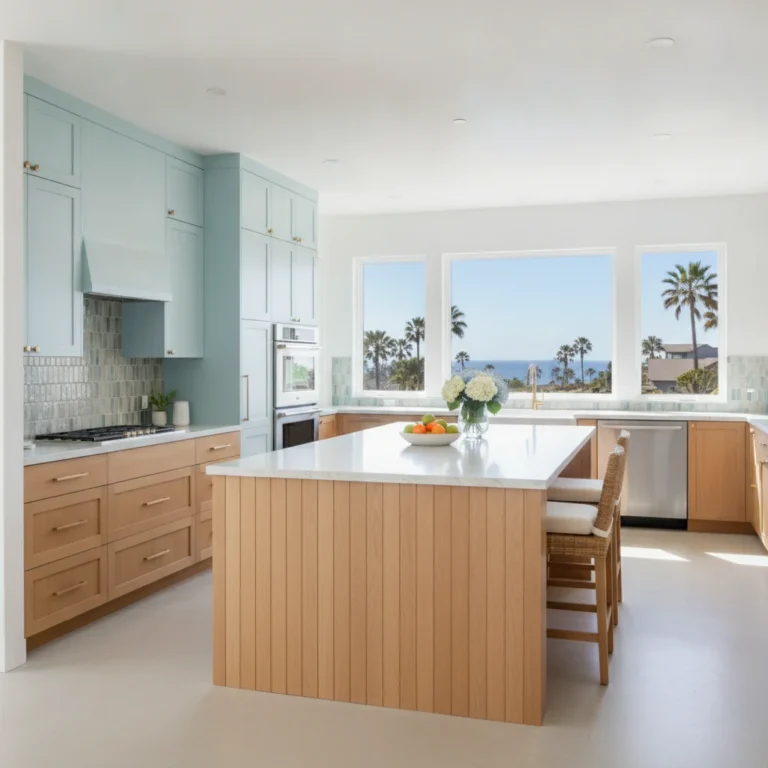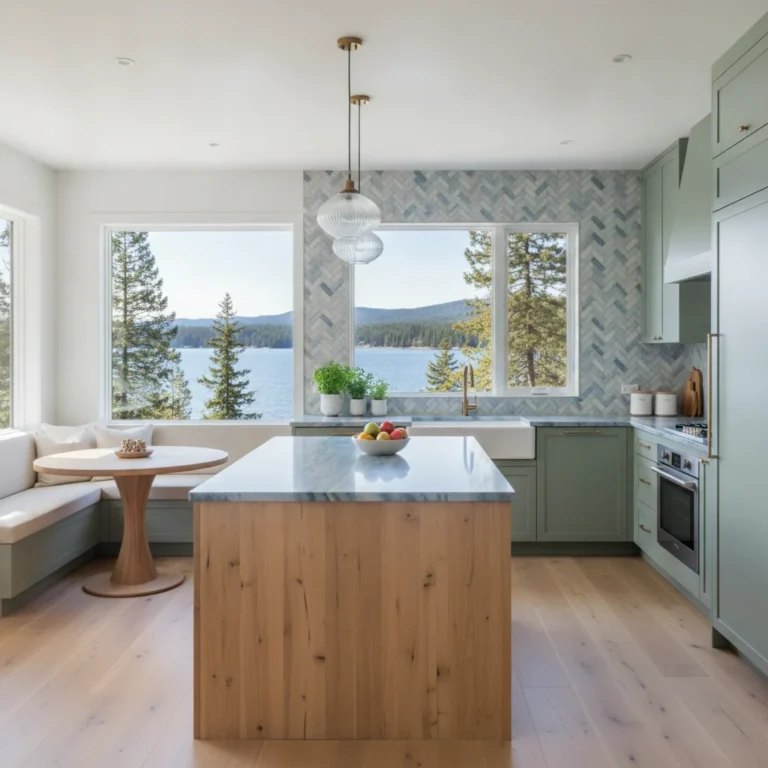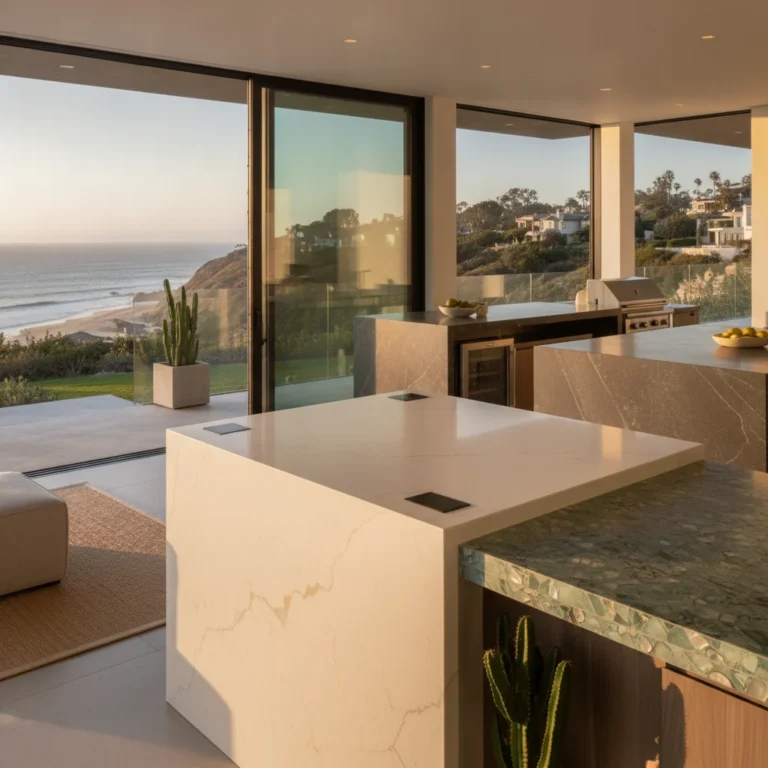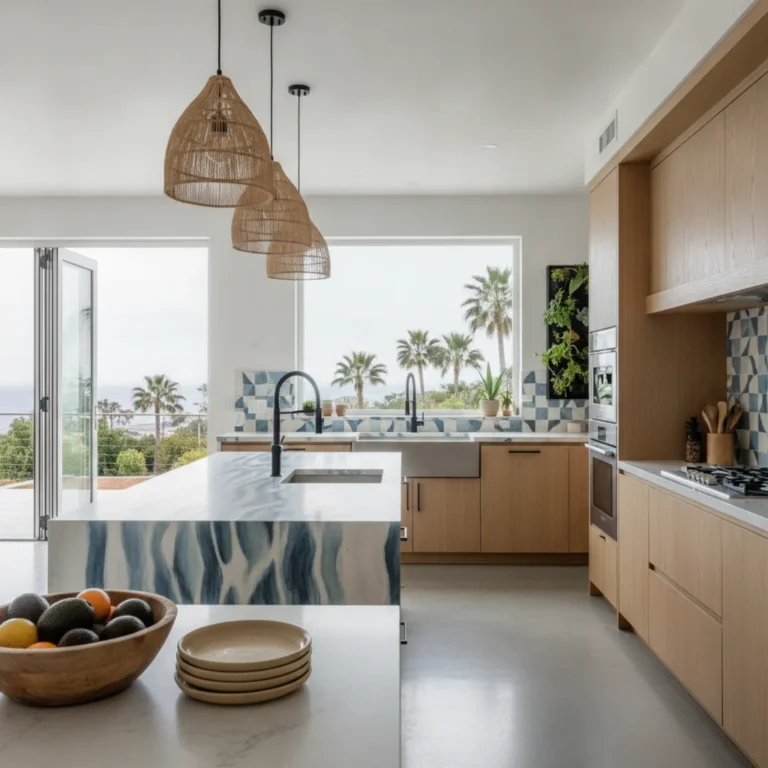
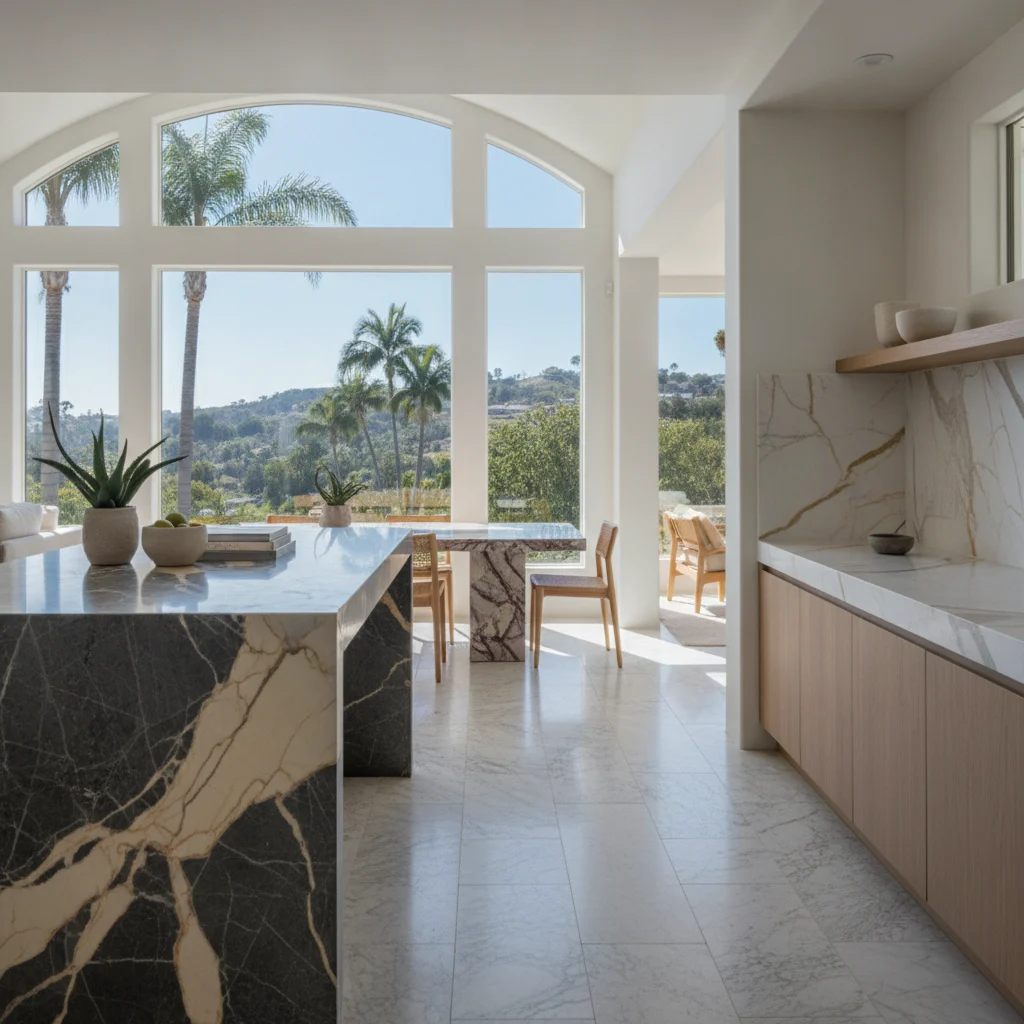
When planning a natural stone renovation in La Mesa, you need accurate cost estimates and clear schedules before demolition starts. Most residential marble projects in East County require three to six weeks from initial slab selection to final installation, with material and fabrication investments averaging between sixty and one hundred fifty dollars per square foot. Selecting high-grade stone elevates your property value while establishing an elegant interior aesthetic across your kitchen and living spaces.
Core Factors Driving Marble Installation Costs and Timelines in La Mesa
Your overall investment depends on specific structural choices, fabrication complexity, and the current supply chain for imported stone. Homeowners across East County prioritize high-yield renovations that balance upfront material costs against long-term property equity.
- Slab Origin and Rarity: Premium Italian and Spanish varieties demand higher freight costs than domestic or Turkish alternatives.
- Surface Fabrication Needs: Complex mitering, integrated sinks, and custom edge profiles increase fabrication shop hours.
- Site Readiness: Subfloor reinforcement and cabinet leveling prevent structural shifting after stone placement.
- Sealing Formulations: Professional impregnating sealers extend surface longevity against daily wear.
Transportation logistics from regional distribution hubs to residential neighborhoods in La Mesa, Lemon Grove, and Chula Vista dictate initial delivery schedules. Precise laser templating requires level base cabinetry, making structural prep work essential before slab cutting begins. Working with seasoned fabricators ensures that your project stays on schedule and avoids costly re-cuts.
Warm Earth Tones and Dramatic Calacatta Marble Variations for 2026
Homeowners are moving away from sterile, cold gray palettes and embracing rich, earthy veining. In 2026, warm marble selections bring depth and comfort to modern coastal and Spanish-revival architecture throughout the region. Slabs featuring creamy backdrops, gold ribboning, and deep taupe movement create an organic focal point within open-concept floor plans.
The Resurgence of Calacatta Gold and Breccia Slabs
Calacatta Gold slabs remain in high demand because their bold amber veining pairs effortlessly with natural white oak cabinetry and warm brass plumbing hardware. Meanwhile, Breccia marble offers deep burgundy and violet undertones that add dramatic contrast to residential wet bars and primary suites. These expressive stones transform functional surfaces into architectural centerpieces.
When you select Marble Countertops with bold, sweeping patterns, your fabricator must book-match adjacent pieces along visible seams. Book-matching mirrors the natural vein lines across horizontal runs and vertical backsplashes, producing a continuous visual flow. This detailed technique requires careful slab layout planning to maximize the visual impact of your chosen stone.
Honed and Leathered Surface Finishes Dominating Southern California Homes
High-gloss polished surfaces are no longer the exclusive standard for residential natural stone. Honed finishes provide a smooth, matte texture that softens harsh glare from natural sunlight entering through large patio sliders and skylights. A satin sheen diffuses ambient light, highlighting the organic mineral composition within each individual slab.
Leathered finishes use diamond-tipped brushes to create subtle surface texture while closing natural stone pores. This textured finish conceals small everyday smudges, water marks, and fingerprints far better than polished stone. For busy households that host frequent gatherings, leathered surfaces deliver sophisticated visual appeal with reduced daily cleaning demands.
Honed and textured surfaces also soften the visual appearance of chemical etching caused by acidic liquids like citrus juice, vinegar, or coffee. While regular sealing remains mandatory, a matte texture masks superficial wear far more effectively over decades of home use. Homeowners gain a relaxed, living surface that ages gracefully alongside the rest of the home.
Fluted Millwork and Waterfall Edge Profiles
Modern architectural design in Southern California pairs expressive natural stone with tactile vertical textures. Designers frequently specify thick, mitered stone islands that feature fluted stone aprons or wrap directly over fluted wood paneling. The contrast between rigid stone and dimensional millwork adds sensory depth to kitchen islands and bathroom vanities.
Waterfall edge profiles continue to gain traction because they showcase uninterrupted vein movement from horizontal surfaces down to the floor. Fabricators cut slabs at precise forty-five-degree angles to ensure patterns flow seamlessly across the corner transition. This layout protects high-traffic cabinet end panels from accidental scuffs, pet scratches, and chair impacts.
For homeowners planning Expert Bathroom Remodeling in La Mesa, integrated marble sinks carved from the same slab as the vanity top deliver a clean, minimalist silhouette. Eliminating standard undermount sink rims creates a continuous stone surface that simplifies routine cleaning while elevating overall craftsmanship.
Performance Comparison of Natural Stone Surfaces
Choosing the right countertop material involves weighing porosity, heat resistance, and long-term care requirements. The following comparison highlights key technical performance metrics across popular countertop materials installed throughout San Diego County.
| Material Type | Mohs Hardness | Porosity Level | Heat Tolerance | Recommended Maintenance Cycle |
|---|---|---|---|---|
| Natural Marble | 3.0 to 4.0 | Medium to High | Up to 480°F | Annual penetrating sealer application |
| Natural Quartzite | 7.0 | Very Low to Low | Up to 500°F | Annual penetrating sealer application |
| Engineered Quartz | 6.0 to 7.0 | Non-Porous | Up to 300°F | No sealing required; avoid high heat |
| Natural Granite | 6.0 to 6.5 | Low to Medium | Up to 480°F | Bi-annual or annual sealer application |
According to research published by the Natural Stone Institute in their dimensional stone performance assessments, calcite-based marbles perform exceptionally well under sustained thermal stress compared to resin-bound engineered slabs. However, marble features a lower scratch hardness rating than quartzite or granite. Installing marble in areas where you prepare meals requires practical habits like using dedicated cutting boards and wiping acidic spills immediately.
Best Practices for Maintaining Natural Marble in San Diego County
Regional environmental conditions influence natural stone care routines. The mineral content in local municipal water supplies can leave crusty calcium deposits along faucets and sink basins if water sits on the surface for extended periods. Establishing straightforward daily cleaning habits protects your investment from permanent mineral staining.
- pH-Neutral Cleaners: Clean surfaces daily using mild specialty stone cleaners rather than generic household sprays or acidic solutions.
- Immediate Spill Mitigation: Wipe away lemon juice, wine, tomato sauce, and cooking oils immediately to prevent micro-etching.
- Coasters and Trivets: Place protective barriers beneath barware, hot cookware, and metal oil cruets to prevent surface marks.
- Water Penetration Tests: Splash a few drops of water on the slab surface every six months; if the water darkens the stone within five minutes, apply a fresh coat of penetrating sealer.
Homeowners in inland microclimates like Ramona and Vista face higher summer temperatures, which accelerate the evaporation of surface sealers. Inspect your bathroom and kitchen surfaces twice per year to verify that moisture beads cleanly across high-use work areas.
Upgrade Your Home with Prefab Granite Depot
Prefab Granite Depot supplies, fabricates, and installs premium marble slabs tailored directly to your home improvement vision. Our design and fabrication specialists guide you from initial slab inspection through precision laser templating and clean, efficient installation. Transform your kitchen and bathrooms with lasting natural beauty by contacting our team today at 858-330-6782 to schedule your free showroom consultation and estimate.
Frequently Asked Questions
How often should you seal marble countertops in La Mesa homes?
You should apply a high-grade penetrating sealer once every twelve months to protect the stone from liquid absorption. High-use kitchen islands or primary bathrooms may require sealing every six months depending on daily water exposure. Performing a quick water droplet test confirms whether your stone needs resealing.
What is the difference between honed and polished marble?
Polished marble features a reflective, high-gloss surface that enhances color vibrancy but reveals chemical etching and scratches more readily. Honed marble provides a smooth, matte finish that diffuses light and conceals everyday micro-abrasions. Homeowners frequently choose honed surfaces for high-traffic food prep areas.
Can hot cookware sit directly on a marble countertop?
Natural marble possesses strong heat tolerance and will not melt like synthetic resin surfaces. However, rapid thermal shock can trigger hairline fractures across natural fissure lines over time. You should always use trivets or heat pads under boiling pots and baking pans.
Does marble increase the resale value of a residential property?
Installing premium natural marble elevates kitchen and bathroom aesthetics, which appeals strongly to prospective home buyers. Real estate appraisers consistently recognize custom stone upgrades as luxury improvements that distinguish properties in competitive housing markets. Proper maintenance ensures the stone preserves its value over time.
How do you remove stubborn water marks and light etches from marble?
You can eliminate light surface etching and mineral deposits using a marble polishing paste applied with a soft microfiber cloth. Deep stains require a formulated stone poultice to draw trapped oils or pigments out of the pores. Professional stone restoration technicians can re-hone the surface if significant dulling occurs.
How long does professional marble countertop installation take?
Fabrication typically takes one to two weeks after the technician completes digital laser templating on your leveled base cabinets. The physical installation process in your home generally takes one to two days depending on total square footage. Your installer will secure seams, attach sinks, and apply initial sealer coats on site.