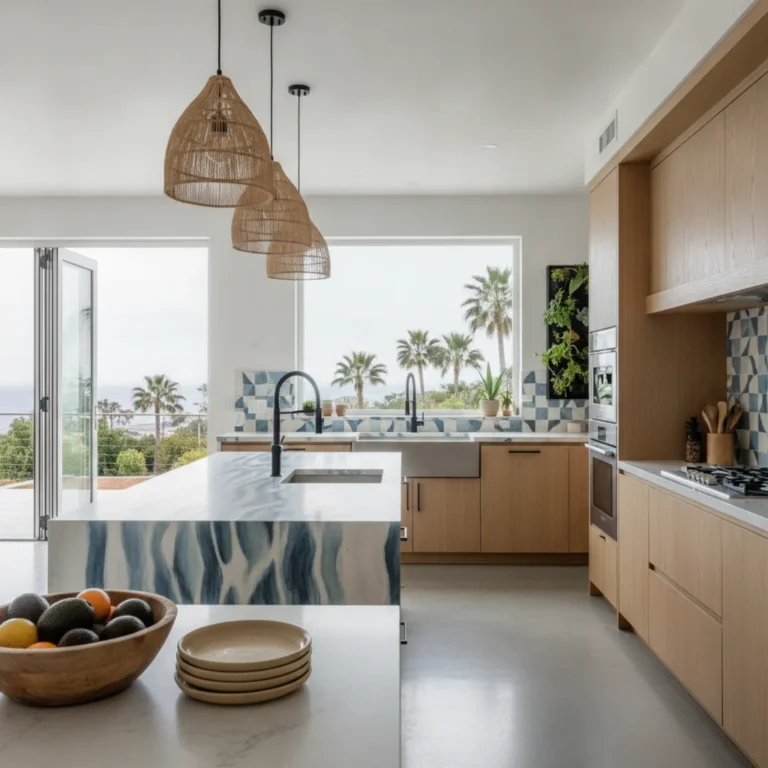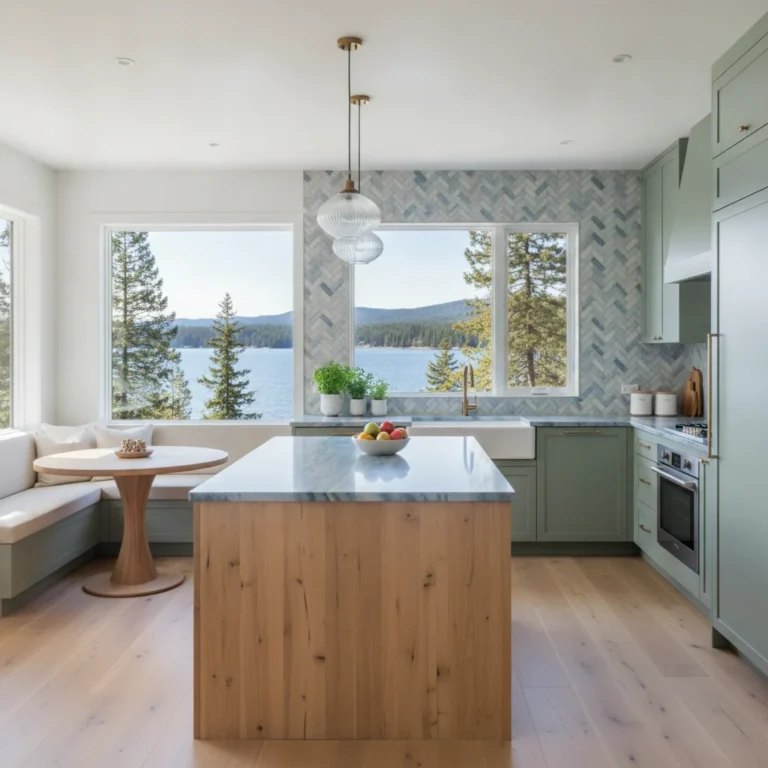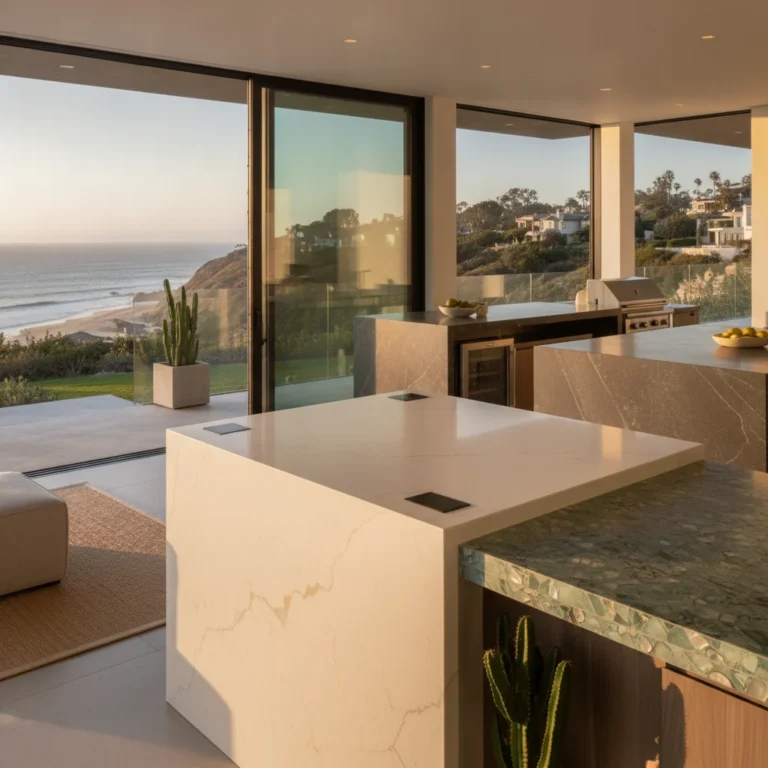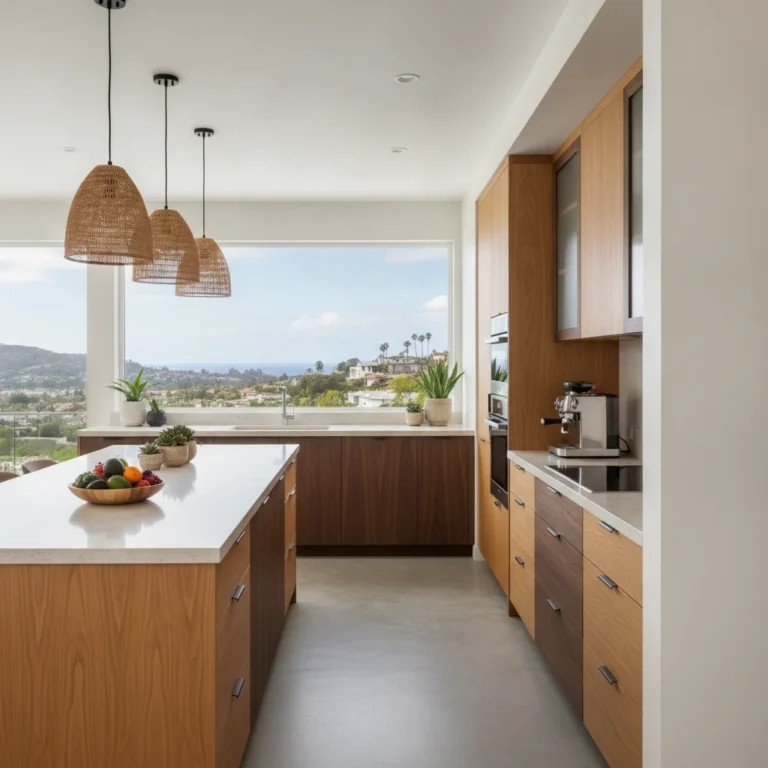

Many Lemon Grove homeowners make the costly mistake of selecting quartz solely based on small warehouse samples under fluorescent lighting. This oversight leads to mismatched undertones, improper slab thickness, and unexpected glare under natural sunlight. Selecting the right engineered surface requires evaluating polymer resin stability, pigment depth, and edge profiles under real home conditions. You secure long-term value and aesthetic balance by understanding how modern composite materials perform inside your specific kitchen layout.
Avoiding the Common Quartz Selection Mistakes in Lemon Grove
Homeowners often assume all engineered quartz behaves identically across manufacturers. Selecting low-grade slabs with uneven resin distribution causes discoloration near south-facing windows and creates visible seam lines across large kitchen islands. Another frequent misstep involves pairing delicate slab edges with high-traffic family zones, resulting in micro-chipping near dishwashers and sinks. Inexperienced buyers also overlook how indoor lighting shifts color temperatures between day and night, turning crisp white slabs into dingy grey surfaces.
You avoid these pitfalls by examining full-size slabs and verifying the mineral composition before scheduling fabrication. Premium engineered slabs combine roughly ninety-three percent crushed natural quartz crystal with seven percent high-grade polymer resins and colorfast pigments. This ratio prevents porosity, repels stubborn liquid spills, and resists everyday scratch damage without requiring periodic chemical sealers.
Defining the Core Elements of 2026 Quartz Surface Engineering
Modern quartz surfaces have evolved far beyond the flat, speckled patterns of previous decades. Fabricators now utilize advanced Bretonstone manufacturing technology to create multidimensional veining, hyper-realistic stone textures, and tactile finishes that rival quarried marble. When planning your renovation with our Expert Kitchen Remodeling in Lemon Grove team, consider these essential technical factors:
- High-Definition Veining Through-Body: Mineral striations penetrate entirely through the slab thickness rather than remaining only on the top print layer, ensuring realistic edge profiles.
- Advanced Matte and Suede Finishes: Non-reflective surface treatments hide fingerprints, soften direct sunlight glare, and deliver an organic, velvety texture.
- Low-Silica Bio-Resin Formulations: Modern composite slabs incorporate recycled plant-based binders and post-consumer glass, improving sustainability metrics without sacrificing tensile strength.
- Jumbo Slab Sizing: Oversized dimensions reaching 132 inches by 65 inches eliminate unsightly seams across expansive kitchen islands and full-height backsplashes.
Dominant Color Palettes and Organic Veining Patterns
Earth tones and warm neutrals now dominate interior design throughout East County. Stark, icy white backgrounds are giving way to creamy alabaster, warm greige, soft taupe, and terracotta undertones that complement natural wood cabinetry. Homeowners increasingly favor slabs that emulate Calacatta marble with bold, sweeping gold and charcoal veins flowing continuously across waterfall edges.
Warm Minimalist Backdrops
Warm minimalist interiors incorporate subtle, tone-on-tone striations that create visual depth without overwhelming open-concept living spaces. Subtle off-white surfaces with warm beige marbling soften modern kitchens and blend seamlessly with brass plumbing fixtures. These palettes create an inviting ambiance that reflects ambient daylight across open dining areas.
Dramatic Moody Statements
Homeowners seeking striking focal points are installing deep forest green, charcoal slate, and midnight black quartz surfaces with contrasting white and bronze veining. These dramatic slabs elevate kitchen islands, dry bars, and master bathroom vanities by delivering rich contrast against natural white oak or painted fluted cabinets.
Surface Textures, Edge Profiles, and Fabrication Finishes
The standard polished finish no longer represents your only styling choice. Tactile textures like honed, leathered, and brushed finishes add architectural interest while diffusing harsh glare from recessed ceiling fixtures. A leathered quartz finish provides a gently dimpled texture that conceals daily kitchen smudges and resists water spots near prep sinks.
Edge profile selection directly dictates both the durability and style of your kitchen workspace. Mitered apron edges create the appearance of a monolithic four-inch solid stone block while keeping the overall structure light. Eased edges and shallow bullnose profiles remain popular in busy households because rounded corners resist physical impact from cast iron cookware and heavy barstools.
Full-height quartz backsplashes represent another major movement for 2026. Installing matching continuous slabs from the counter surface up to the bottom of your upper cabinetry eliminates grout lines, simplifies cleaning routines, and visually expands smaller footprint kitchens.
Technical Specifications and Performance Comparison
Evaluating engineered quartz alongside competing natural stone materials helps you determine the ideal investment for your cooking style and household demands. According to the National Kitchen and Bath Association (NKBA) Design Trends Report, engineered quartz remains the leading countertop choice for modern residential renovations due to its superior stain resistance and structural consistency.
| Material Type | Mohs Hardness | Porosity Level | Annual Sealing Required | Heat Resistance Limit |
|---|---|---|---|---|
| Engineered Quartz | 7.0 | Non-Porous (< 0.05%) | No | 300°F (Requires Trivet) |
| Natural Granite | 6.0 to 6.5 | Low to Medium (0.2% to 0.8%) | Yes (Every 12 Months) | 480°F (High Direct Heat) |
| Natural Marble | 3.0 to 4.0 | High (0.5% to 2.0%) | Yes (Every 6 Months) | 350°F (Acid Sensitive) |
| Quarried Quartzite | 7.0 to 8.0 | Low (0.1% to 0.5%) | Yes (Every 12 Months) | 500°F (Extremely Durable) |
While natural options like Quartzite Countertops provide exceptional heat resistance, engineered quartz delivers total non-porosity, eliminating concerns over oil stains, wine spills, and bacterial growth in food prep zones.
Local Climate Factors and Architectural Integration in Lemon Grove
Lemon Grove experiences warm inland temperatures, intense afternoon sun exposure, and low coastal marine layer humidity. When planning indoor-outdoor entertainment spaces or sunlit kitchen expansions, you must consider thermal expansion and ultraviolet radiation. Direct sunlight through unshaded skylights can degrade polymer resins over time, making UV-stabilized engineered surfaces essential for south-facing picture windows.
Whether you are modernizing a classic mid-century ranch home near Broadway or renovating a custom build near surrounding communities like Santee, Lakeside, Del Mar, or San Diego, balance your countertop choices with architectural heritage. Follow these localized installation guidelines:
- Positioning Away from Direct Outdoor Exposure: Install indoor quartz inside protected cooking zones and select UV-rated composite formulas for partially covered patio kitchens.
- Subfloor and Cabinet Leveling: Secure rigid plywood underlayment across older Lemon Grove homes to prevent uneven slab settlement and seam separation over time.
- Thermal Shock Protection: Always utilize decorative silicone trivets under slow cookers, air fryers, and boiling pots to safeguard resin binders from thermal shock.
- Color Temperature Balancing: Pair warm greige quartz slabs with warm-spectrum 3000K LED cabinet illumination to enhance indoor comfort throughout the evening hours.
Selecting Fabricators and Installation Standards
Precision slab cutting requires laser digital templating systems rather than manual cardboard templates. Digital measuring captures subtle wall curves, out-of-square corners, and exact plumbing rough-ins to ensure your slabs fit with hairline tolerances. Professional fabricators use waterjet CNC cutting machinery to execute seamless sink cutouts, smooth cooktop bevels, and mitered perimeter drop edges.
Proper seam placement preserves the visual integrity of continuous veining patterns. Expert technicians place seams along natural cabinet breaks or directly through the center of sink cutouts where visible joinery remains minimal. High-strength color-matched epoxy compounds bond slab joints securely, creating waterproof unions that resist moisture penetration and physical separation.
Upgrade Your Kitchen with Prefab Granite Depot
Transform your home with custom fabricated Quartz Countertops engineered for lifelong beauty and durability. Prefab Granite Depot provides complete design guidance, precision digital templating, and professional installation tailored to your budget. Call our team at 858-330-6782 to schedule your free design consultation and slab estimate today.
Frequently Asked Questions
Can engineered quartz withstand direct heat from hot pans?
Engineered quartz resists heat up to roughly three hundred degrees Fahrenheit without structural failure. However, sudden thermal shock from hot pans or electric skillets can crack or discolor the polymer resin binders. You should always place hot cookware on silicone trivets or heat pads.
How do you properly clean and maintain quartz countertops?
Wipe your surfaces daily using warm water, a non-abrasive microfiber towel, and a mild pH-neutral liquid dish soap. Avoid harsh chemical cleaners, bleach, abrasive scouring pads, and oven degreasers because they dull the factory finish. Quartz never requires regular chemical sealers or polishes.
What is the difference between standard polished and leathered quartz?
Polished quartz features a glossy, highly reflective surface that brightens dark rooms and emphasizes fine mineral veining. Leathered quartz delivers a soft, non-reflective matte texture that resists visible smudges and diffuses harsh overhead lighting. Both surface styles offer identical non-porous stain resistance.
Can I install engineered quartz on an outdoor barbecue island?
Standard indoor quartz formulations will yellow and degrade when exposed to prolonged direct ultraviolet sunlight. If you plan an outdoor kitchen installation in Lemon Grove, select specially rated exterior composite slabs formulated with UV-stable binders. Natural quartzite or granite often serves as a superior alternative for open-air outdoor kitchens.
How thick should my kitchen island quartz slab be?
The industry standard for residential kitchen countertops is three centimeters, which equals roughly one and one-quarter inches. This thickness provides superior structural strength and allows for generous unsupported overhangs on seating bars without requiring bulky sub-tops. Two-centimeter slabs work well for vertical wall cladding and bathroom vanities.
How do fabricators hide seams on large quartz installations?
Fabricators utilize digital templating software to map out vein transitions across slab joints before making physical cuts. Installers then pull the seams tightly together using vacuum seam setters and bond the gap with custom-tinted epoxy resin. When executed by skilled professionals, the finished seam appears as a discreet, hairline joint.